Sleep Test คืออะไร
What is a sleep test?
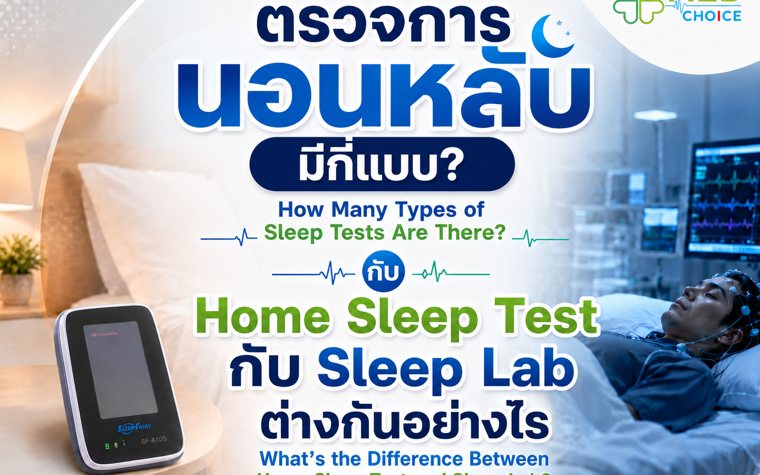
การตรวจการนอนหลับคือการประเมินการหายใจ ระดับออกซิเจน อัตราการเต้นของหัวใจ และความผิดปกติที่เกิดขึ้นระหว่างการนอน ปัจจุบันแบ่งเป็น 2 วิธีหลัก คือ Home Sleep Test ที่ตรวจที่บ้าน และ Sleep Lab ที่ตรวจในโรงพยาบาล
A sleep test measures your breathing, oxygen level, heart rate and any abnormalities during sleep. There are two main forms: a home sleep test, and a sleep lab study in hospital.
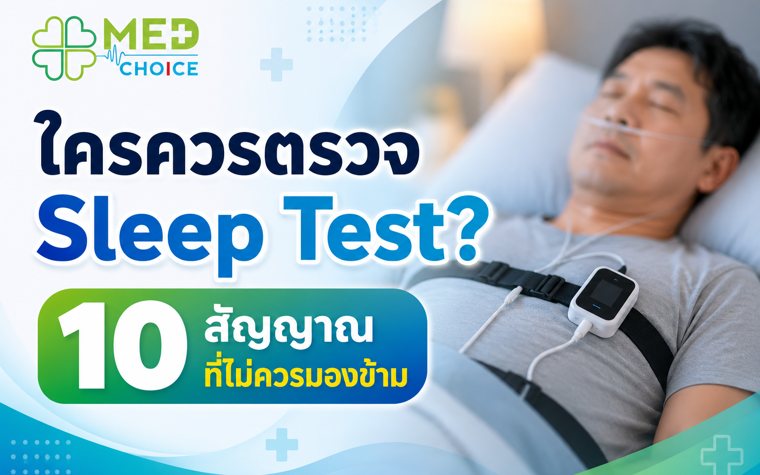
10 สัญญาณที่ควรตรวจ Sleep Test
Ten signs you should be tested
1. นอนกรนเสียงดังเป็นประจำ
1. Loud snoring most nights
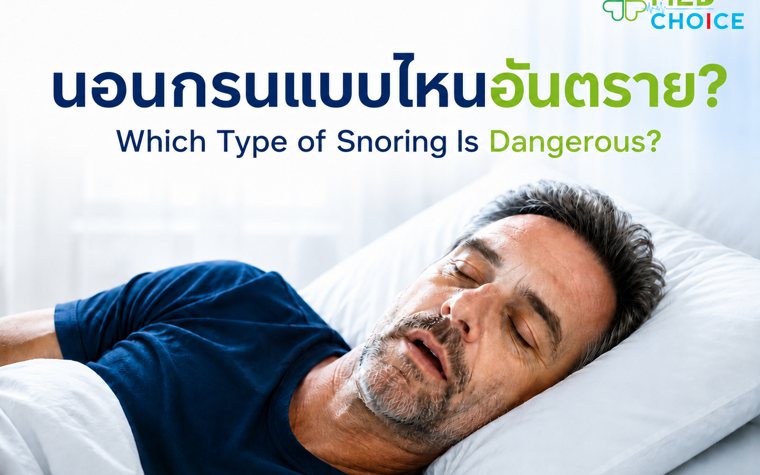
หากกรนแทบทุกคืน หรือคนรอบข้างบอกว่ากรนเสียงดังผิดปกติ ควรได้รับการประเมิน
If you snore nearly every night, or people around you say it is unusually loud, it is worth assessing.
2. มีคนเห็นว่าหยุดหายใจระหว่างนอน
2. Someone has seen you stop breathing
หากคนในครอบครัวสังเกตว่าคุณหยุดหายใจเป็นช่วง ๆ แล้วสะดุ้งหายใจ ถือเป็นสัญญาณสำคัญที่ควรตรวจทันที
If a family member notices pauses followed by a gasp, that is a strong signal to get tested promptly.
3. ง่วงนอนมากผิดปกติในเวลากลางวัน
3. Excessive daytime sleepiness
แม้นอนครบ 7–8 ชั่วโมง แต่ยังง่วง หลับง่ายระหว่างประชุม ดูทีวี หรือขับรถ อาจเกิดจากคุณภาพการนอนที่ไม่ดี
Even after a full 7–8 hours you doze off in meetings, in front of the television, or at the wheel — a sign of poor sleep quality.
4. ตื่นเช้าแล้วไม่สดชื่น
4. Waking unrefreshed
ผู้ป่วยจำนวนมากรู้สึกเหมือนไม่ได้นอน เพราะสมองถูกปลุกจากการหยุดหายใจหลายครั้งตลอดคืน
Many people feel as if they never slept, because the brain is roused each time breathing stops.
5. ปวดศีรษะหลังตื่นนอน
5. Morning headaches
การได้รับออกซิเจนไม่เพียงพอระหว่างนอน อาจทำให้เกิดอาการปวดศีรษะในตอนเช้า
Low oxygen overnight can leave you with a headache on waking.
6. ความดันโลหิตสูงที่ควบคุมได้ยาก
6. Blood pressure that will not come down
ผู้ป่วยความดันสูงจำนวนไม่น้อยมีภาวะหยุดหายใจขณะหลับร่วมด้วย โดยเฉพาะผู้ที่กินยาหลายชนิดแต่ยังควบคุมไม่ได้
A significant share of people with resistant hypertension also have sleep apnea — especially those on several medications.
7. น้ำหนักเกินหรือโรคอ้วน
7. Excess weight or obesity
ผู้ที่มี BMI สูงหรือมีรอบคอใหญ่ มีโอกาสเกิดภาวะหยุดหายใจขณะหลับมากกว่าคนทั่วไป
A higher BMI or a larger neck circumference raises the odds considerably.
8. สมาธิลดลงและความจำแย่
8. Poor focus and memory
การนอนหลับที่ไม่มีคุณภาพส่งผลต่อการทำงานของสมอง ทำให้สมาธิลดลงและประสิทธิภาพการทำงานลดลง
Fragmented sleep affects the brain, blunting concentration and work performance.
9. ปัสสาวะกลางคืนหลายครั้ง
9. Getting up at night to urinate
แม้ไม่ได้ดื่มน้ำมากก่อนนอน แต่ต้องลุกเข้าห้องน้ำหลายครั้ง อาจเกี่ยวข้องกับภาวะหยุดหายใจขณะหลับ
Repeated night-time trips to the bathroom, without drinking much beforehand, can be linked to sleep apnea.
10. มีโรคประจำตัวร่วม
10. Coexisting conditions
ผู้ที่มีโรคหัวใจ หัวใจเต้นผิดจังหวะ เบาหวาน ความดันโลหิตสูง หรือโรคหลอดเลือดสมอง ควรได้รับการประเมิน
Heart disease, arrhythmia, diabetes, hypertension or stroke all warrant assessment.
ใครบ้างที่มีความเสี่ยงสูง
Higher-risk groups
- ผู้ชายอายุ 40 ปีขึ้นไป
- ผู้หญิงหลังหมดประจำเดือน
- ผู้ที่มีน้ำหนักเกิน หรือมีรอบคอใหญ่
- ผู้ที่ดื่มแอลกอฮอล์ก่อนนอน หรือสูบบุหรี่
- ผู้ที่มีคนในครอบครัวเป็นโรคนี้
- ผู้ที่มีโรคหัวใจหรือความดันโลหิตสูง
- Men aged 40 and over
- Women after menopause
- People with excess weight or a larger neck
- People who drink before bed, or smoke
- Those with a family history
- People with heart disease or high blood pressure
ตรวจ Sleep Test แบบไหนดี
Which test is right?
Home Sleep Test
Home sleep test
- สงสัยภาวะหยุดหายใจขณะหลับ
- ต้องการตรวจที่บ้าน สะดวก ประหยัดเวลา
- ค่าใช้จ่ายต่ำกว่า
- You suspect sleep apnea
- You want to test at home, conveniently
- Lower cost
Sleep Lab
Sleep lab
- มีโรคการนอนหลับหลายชนิดร่วมกัน
- ผล Home Sleep Test ไม่ชัดเจน
- มีโรคหัวใจหรือโรคปอดรุนแรง
- ต้องการตรวจอย่างละเอียด
- Multiple sleep disorders together
- An inconclusive home test
- Serious heart or lung disease
- You need the fullest possible detail
หากตรวจพบ จะรักษาอย่างไร
If the test is positive
แนวทางการรักษาขึ้นกับความรุนแรงของโรค ตั้งแต่ลดน้ำหนัก งดแอลกอฮอล์ก่อนนอน เปลี่ยนท่านอน ใช้อุปกรณ์ในช่องปาก ไปจนถึงการใช้เครื่อง CPAP ซึ่งเป็นมาตรฐานการรักษาสำหรับผู้ป่วยระดับปานกลางถึงรุนแรง
Treatment depends on severity — from weight loss, avoiding alcohol before bed and changing sleeping position, through oral appliances, to CPAP, the standard of care for moderate to severe cases.